Sitelines: Outer Island’s Human Stories
c) Connecticut Explored, Summer, 2023 By Shaun Roche Subscribe/Buy the Issue! Outer Island is a five-acre…

c) Connecticut Explored, Summer, 2023 By Shaun Roche Subscribe/Buy the Issue! Outer Island is a five-acre…
(c) Connecticut Explored, Summer, 2023 By Jason Mancini Subscribe/Buy the Issue! Fort Island in the…
(c) Connecticut Explored Inc., Winter 2022-23 Subscribe/Buy the Issue! In November 1780, the duc…
(c) Connecticut Explored Inc. Fall 2022 Subscribe/Buy the Issue! The Board and Publisher of Connecticut…

20 for 20: Innovation in Connecticut History (c) Connecticut Explored Inc. Fall 2022 Subscribe/Buy the…
(c) Connecticut Explored Inc. Fall 2022 Subscribe/Buy the Issue! Welcome Our New Publisher! In June…
(c) Connecticut Explored Inc., Fall 2022 Here’s who is on the cover and where to find…
20 for 20: Innovation in Connecticut History To mark our 20th anniversary, Connecticut Explored decided…

Fund for Excellence in Publishing 20th Anniversary Friends Campaign Kicked Off September 1, 2022 As…
SUBSCRIBE/BUY THE ISSUE! Letters, Etc. “Precious Memories Captured in Hair” (Fall 2021) inspired me to…

Who’s in our 20th Anniversary Logo 2 — top left to bottom right Erin Lamb…

By Charles N. Leach (c) Connecticut Explored Inc. Winter 2021-2022 Subscribe/Buy the Issue! Reverend Noah…
Vivian Zoë’s article “The Victorian Philanthropy of John Fox Slater and William Albert Slater” (Fall…
VOLUME 20/NUMBER 1/Winter 2021-2022 IN THIS ISSUE: In Their Own Words An Aspiring Gold Miner…
Loved the article on the Federal Writers’ Project’s Connecticut: A Guide To Its Roads, Lore…
VOLUME 19/NUMBER 4/FALL 2021 $7.50 IN THIS ISSUE: Victorian Connecticut—Far and Away from our…
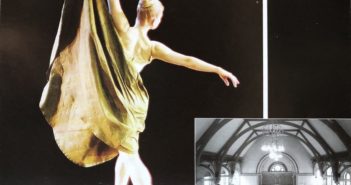
By Scott L. Wands (c) Connecticut Explored Inc. Summer 2005 The realms of art, social…
CT Explored to Celebrate 20th Anniversary in 2022 Help Endow Connecticut Explored Connecticut Explored published its…

Help CTExplored Establish an Endowment! In round 1 of the Endow Hartford 21 Endowment campaign,…
VOLUME 19/NUMBER 3/Summer 2021 $7.50 IN THIS ISSUE: City, Village, Neighborhood, Home Subscribe/Buy the Issue!…
(c) Connecticut Explored Inc. Spring 2021 Subscribe/Buy the Issue! I have enjoyed every issue of…
By Connie Robinson (c) Connecticut Explored Inc. Summer 2011 Subscribe/Buy the Issue! Tobacco farming was…
By Mary Ellen White (c) Connecticut Explored Inc. Summer 2011 Subscribe/Buy the Issue! Harriet Beecher…
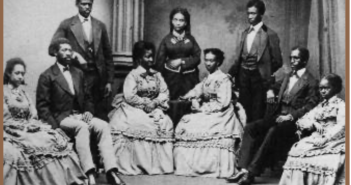
By Frank Mitchell (c) Connecticut Explored Inc. Spring 2011 Subscribe/Buy the Issue! We understand that…
By Cynthia Cormier (c) Connecticut Explored Inc. Spring 2005 Subscribe/Buy the Issue! The 1910 white…
By Alan Owen Patterson (c) Connecticut Explored Inc. Winter 2008/2009 Subscribe/Buy the Issue! Connecticut’s Blue…
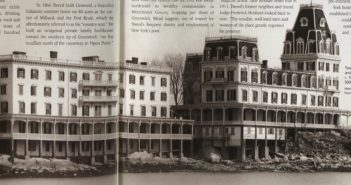
By Alan Owen Patterson (c) Connecticut Explored Inc. Winter 2008-2009 Subscribe/Buy the Issue! Connecticut has…
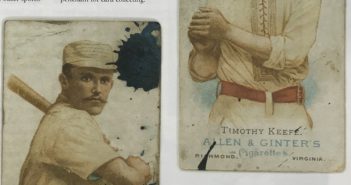
By Beverly Lucas (c) Connecticut Explored Inc. Fall 2009 Subscribe/Buy the Issue! Kids have been…

By Brian Codagnone (c) Connecticut Explored Inc. Fall 2009 Subscribe/Buy the Issue! June 19, 2006…

By David Nagle (c) Connecticut Explored Inc. Fall 2009 Subscribe/Buy the Issue! It is hard…
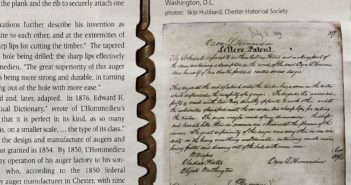
By David J. Corrigan (c) Connecticut Explored Inc. Spring 2009 Subscribe/Buy the Issue! David J.…
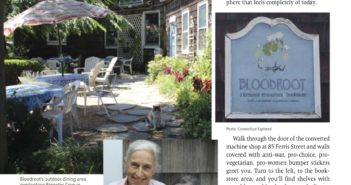
By Ilene Frank (c) Connecticut Explored Inc. Summer 2020 Subscribe/Buy the Issue! You’ll never just…
By Tracey M. Wilson (c) Connecticut Explored Inc. Summer 2020 Subscribe/Buy the Issue! Beatrice Fox…

(c) Connecticut Explored Inc. Fall 2020 World War II began when Germany, Japan, and Italy…
By Audrey Berry (c) Connecticut Explored Inc. Summer 2020 Subscribe/Buy the Issue! In a 1980…
By Cynthia Roznoy (c) Connecticut Explored Inc, Summer 2020 Subscribe/Buy the Issue! “Educate the Girls,…

By Dr. Jamie Cumby (c) Connecticut Explored Inc. Summer 2020 Subscribe/Buy the Issue! Pequot Library…
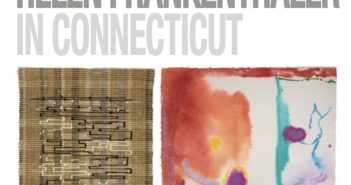
By Lisa Hayes Williams (c) Connecticut Explored Inc. Summer 2020 Subscribe/Buy the Issue! The New…
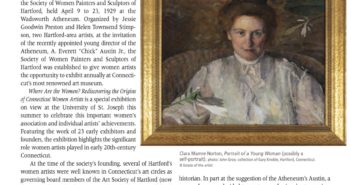
By Nancy Noble (c) Connecticut Explored Inc. Summer 2020 Subscribe/Buy the Issue! Hartford art lovers…
By Jessica Jenkins (c) Connecticut Explored Inc. Summer 2020 Subscribe/Buy the Issue! During this centennial…
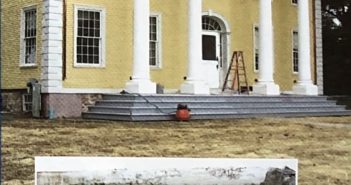
By Liz Farrow (c) Connecticut Explored Inc. Winter 2005/2006 Subscribe/Buy the Issue! All photos courtesy…
(c) Connecticut Explored Inc. Summer 2003 Subscribe/Buy the Issue! Hill-Stead Museum By Melanie Anderson Bourbeau…

By Mark H. Jones and Nancy O. Albert (c) Connecticut Explored Inc. Summer 2003 Subscribe/Buy…
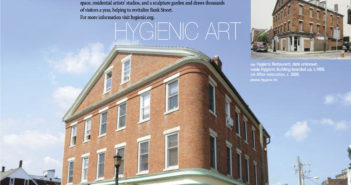
By Mary M. Donohue (c) Connecticut Explored Inc. Spring 2013 Subscribe/Buy the Issue! Well-built buildings,…
By Christopher Pagliuco (c) Connecticut Explored Inc. Spring 2013 Subscribe/Buy the Issue! Read as a…
By Emily E. Gifford (c) Connecticut Explored Inc. Winter 2012-2013 Read as a PDF Subscribe/Buy…
Read as a PDF By Katherine Kane (c) Connecticut Explored Inc. Winter 2012/2013 Subscribe/Buy the…
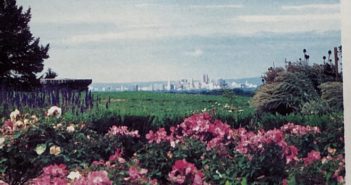
By Maureen Welch (c) Connecticut Explored Inc. Spring 2003 Subscribe/Buy the Issue! With its pagoda,…

By Peter C. Baldwin © Connecticut Explored Inc. Spring 2003 Subscribe/Buy the Issue! Arriving in…

By Nancy O. Albert, Tomas J. Nenortas, and Karen O’Maxfield (c) Connecticut Explored Inc. Winter…
(c) Connecticut Explored Inc. Winter 2005/2006 Subscribe/Buy the Issue! Introduction As I prepared to enter…
By Mark Kamienski (c) Connecticut Explored Inc. Winter 2003 Subscribe/Buy the Issue! Tucked away at…
By Gergely Baics (c) Connecticut Explored Inc. Winter 2003 Subscribe/Buy the Issue! The poor man…finds…
By Patti Coogan (c) Connecticut Explored Inc. Winter 2003 Subscribe/Buy the Issue! While traveling in…
By Sheila Daley with Elizabeth Normen (c) Connecticut Explored Inc. Winter 2003 Subscribe/Buy the Issue!…
Historic Modern Office Building. Suburban Renewal…Huh? (c) Connecticut Explored Inc. Winter 2003 Subscribe/Buy the Issue! The…
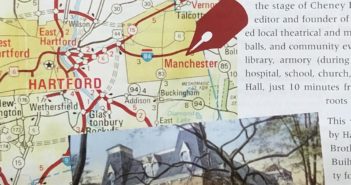
A music hall for silk mill workers returns to its roots (c) Connecticut Explored Inc.…
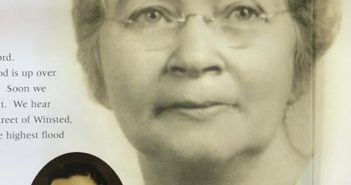
By Mark Jones (c) Connecticut Explored Inc. Fall 2002 Subscribe! “I have some old things…

By Mary M. Donohue (c) Connecticut Explored Inc. Fall 2006 Subscribe/Buy the Issue! All Images…
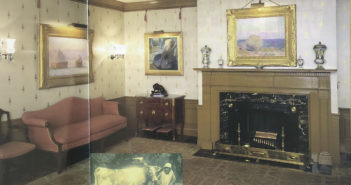
A Curator-to-Curator Conversation (c) Connecticut Explored Inc. Fall 2002 Subscribe/Purchases Back Issues! Hill-Stead Museum in…

The Fall 2020 issue is in the mail and will be on limited newsstands September…
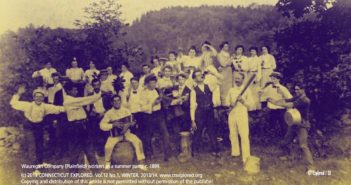
By Laura Smith (c) Connecticut Explored Inc. Winter 2013-2014 Subscribe/Buy the Issue! All images from the…
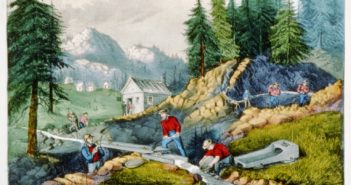
By Connecticut Explored In the early Republic, Connecticut’s economy was largely focused east and south.…
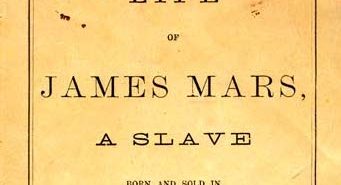
Published narratives by formerly enslaved people who escaped to Connecticut in the 19th century reveal…

Until the 1840s, Connecticut’s population was dominated by the British. There was a smattering of…
By Nancy Bonuomo (c) Connecticut Explored Inc. Winter 2013-2014 Subscribe/Buy the Issue! 2013 marked the 100th…
By Frank Mitchell (c) Connecticut Explored Inc. Winter 2013-2014 Subscribe/Buy the Issue! A special exhibition…

By Clarissa Ceglio (c) Connecticut Explored Inc. Winter 2013-2014 Subscribe/Buy the Issue! In February 1889,…
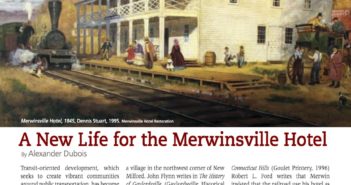
By Alexander Dubois (c) Connecticut Explored Inc. Spring 2020 Subscribe/Buy the Issue! Transit-oriented development, which…
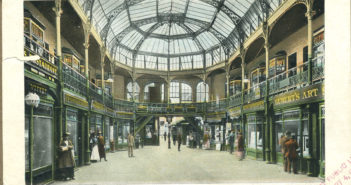
By Mary M. Donohue (c) Connecticut Explored Inc. Spring 2020 Subscribe/Buy the Issue! A Victorian…
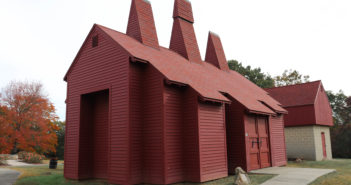
By Johnna Kaplan (c) Connecticut Explored Inc. Spring 2020 Subscribe/Buy the Issue! High on a…
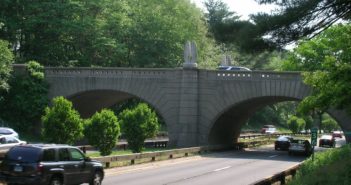
By Christopher Wigren (c) Connecticut Explored Inc. Spring 2020 Subscribe/Buy the Issue! Editor’s note: “Connecticut…

By Robert Gregson (c) Connecticut Explored Inc. Spring 2020 Subscribe/Buy the Issue! Architect King-lui Wu…
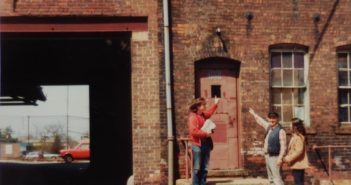
By Jason Bischoff-Wurstle (c) Connecticut Explored Inc. Spring 2020 Subscribe/Buy the Issue! As the transformative…

Where I Live: Connecticut, the new social studies resource for third/fourth grade about Connecticut is…
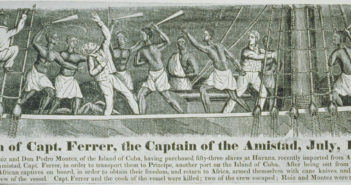
(c) Connecticut Explored Inc. Winter 2019-2020 In 1840, all eyes were on Connecticut. Our state…
By Sharon Y. Steinberg (c) Connecticut Explored Inc. Summer 2003 Subscribe/Buy the Issue! Racing across…
Until the 1840s, Connecticut’s population was dominated by the British. There was a smattering of…
By Connecticut Explored In the early Republic, Connecticut’s economy was largely focused east and south.…

By Rachel Smith Hale (c) Connecticut Explored Inc. Winter 2019-2020 Subscribe/Buy the Issue! When snow…
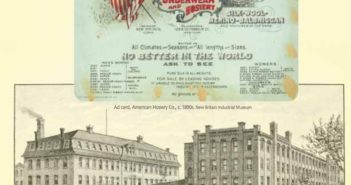
By Sophie Huget (c) Connecticut Explored Inc. Winter 2019-2020 Subscribe/Buy the Issue! A strike at…

By Nancy Geary (c) Connecticut Explored Inc. Winter 2019-2020 Subscribe/Buy the Issue! John Rogers Jr.…
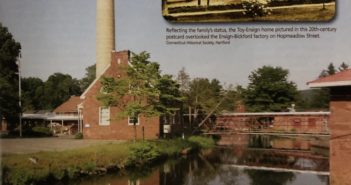
By Dawn Byron Hutchins (c) Connecticut Explored Inc. Fall 2012 Subscribe/Buy the Issue! Joseph Toy,…
By Ruth Glasser (c) Connecticut Explored Inc. Fall 2012 Subscribe/Buy the Issue! “They have no…
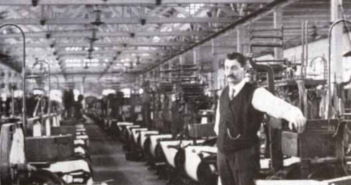
By Tricia Staley (c) Connecticut Explored Inc. Winter 2019-2020 Subscribe/Buy the Issue! The village of…
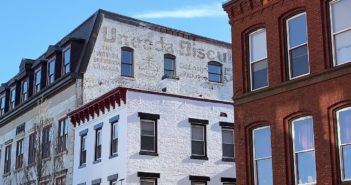
By Mary M. Donohue (c) Connecticut Explored Inc. Spring 2020 Subscribe/Buy the Issue! Perhaps…
By Elizabeth J. Normen (c) Connecticut Explored Inc. Spring 2020 Subscribe/Buy the Issue! In what…
By Ramin Ganeshram and Elizabeth Normen LINK to Op-Ed as it appeared in The Hartford Courant,…
Happy Spring! The Spring 2020 issue is full of surprising, quirky, and inspiring stories. From…
By Gregg Mangan (c) Connecticut Explored Inc. Fall 2019 Subscribe/Buy the Issue! Through programs such…
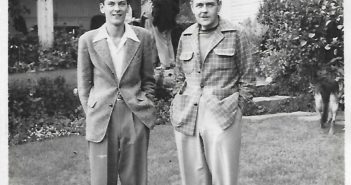
By Erin Farley (c) Connecticut Explored Inc. Fall 2019 Subscribe/Buy the Issue! As the…

By Kevin Flood (c) Connecticut Explored Inc. Fall 2019 Subscribe/Buy the Issue! The Boys &…
By David Corrigan (c) Connecticut Explored Inc. Winter 2019-2020 SUBSCRIBE/BUY THE ISSUE! “If you build…
by Elizabeth J. Normen (c) Connecticut Explored Inc. Winter 2019-2020 Subscribe/Buy the Issue! Disruptions are…

By Walter Woodward (c) Connecticut Explored, Winter 2019-2020 Subscribe/Buy the Issue! The week the Smithsonian’s…
Teacher Guide Link to Mark Jones, “Audacious Alliances,” Connecticut Explored PDF of Mary Townsend Seymour…

Listen to Grating the Nutmeg Episode 103 as CT Explored’s Mary Donohue talks with the…
By Sara C. Bronin (c) Connecticut Explored Inc. Summer 2019 Subscribe/Buy the Issue! Lebanon’s mile-long…
By Krista Karlson (c) Connecticut Explored Inc. Summer 2019 Subscribe/Buy the Issue! The rift was…
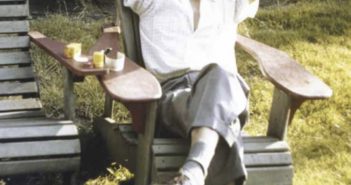
By Melica Bloom (c) Connecticut Explored Inc. Summer 2019 Subscribe/Buy the Issue What does your…
by Elizabeth J. Normen (c) Connecticut Explored Inc. Fall 2019 Subscribe/Buy the Issue! “Family” is the…

About this issue a subscriber wrote me, “This issue is so moving, especially the article…
History Day 2020: Breaking Barriers in History Stories from Connecticut Explored to inspire and inform…

By Johnna Kaplan (c) Connecticut Explored Inc. Spring 2019 Subscribe/Buy the Issue! The east coast…
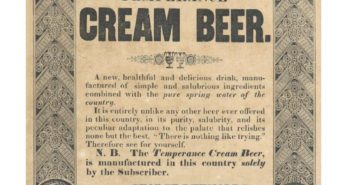
By Alexander Dubois (c) Connecticut Explored Inc. Spring 2019 Subscribe/Buy the Issue Recalling his childhood…
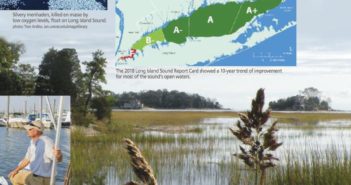
By Bill Lucey (c) Connecticut Explored Inc. Spring 2019 Subscribe/Buy the Issue As the Soundkeeper,…
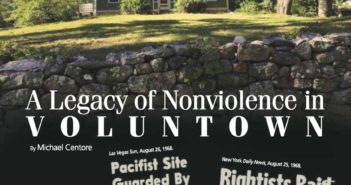
A Legacy of Nonviolence in Voluntown By Michael Centore (c) Connecticut Explored Inc. Summer 2019…
Connecticut History and Constitution of 1818 Developed by Jim D’Acosta, National Board Certified Teacher, Fairfield Warde High School,…
Here’s what kids are saying about Venture Smith’s Colonial Connecticut! Piloted in 2018/2019, 7th grade…
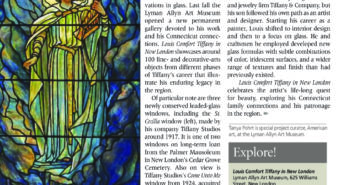
ByTanya Pohrt © Connecticut Explored Inc. Winter 2018-2019 Subscribe/Buy the Issue Louis Comfort Tiffany was…
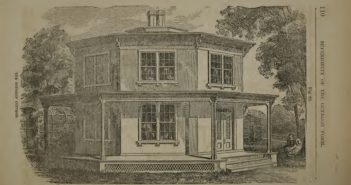
By Daniel Sterner © Connecticut Explored Inc. Winter 2018-2019 Subscribe/Buy the Issue In the middle…
By Kevin Flood © Connecticut Explored Winter 2018-2019 SUBSCRIBE/BUY THE ISSUE There ought to be…
By Glen MacLeod © Connecticut Explored Inc. Winter 2018-2019 SUBSCRIBE/BUY THE ISSUE The Wadsworth Atheneum…
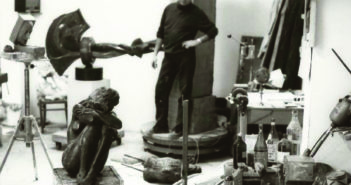
By Nancy Finlay (c) Connecticut Explored Inc. Winter 2018-2019 SUBSCRIBE/Buy the Issue As a boy…

By Robert Gregson (c) Connecticut Explored Inc. Winter 2018-2019 Subscribe/Buy the Issue In 1970 the…
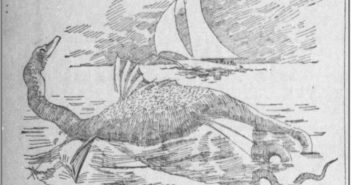
By Stephen Olbrys Gencarella (c) Connecticut Explored Inc. Spring 2019 Subscribe/Buy the Issue! Connecticut is…
By Elizabeth Rose (c) Connecticut Explored Inc. Fall 2018 SUBSCRIBE/BUY THE ISSUE! On the verge…
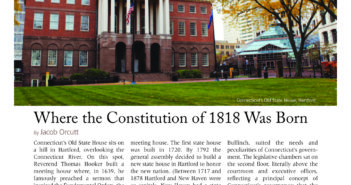
By Jacob Orcutt (c) Connecticut Explored Inc, Fall 2018 SUBCRIBE/BUY THE ISSUE! Connecticut’s Old State…
By Jon Blue and Henry Cohn (c) Connecticut Explored Inc. Fall 2018 SUBSCRIBE/BUY THE ISSUE…
By Linda Hocking (c) Connecticut Explored inc. Fall 2018 SUBSCRIBE/BUY THE ISSUE This age of…
By Denise Merrill (c) Connecticut Explored Inc. Fall 2018 SUBSCRIBE/BUY THE ISSUE As the first…

By Elizabeth J. Normen (c) Connecticut Explored Inc. Winter 2017-2018 Subscribe/Buy the Issue! These baby…
by Walter W. Woodward As state historian, I begin each day excited about building greater…
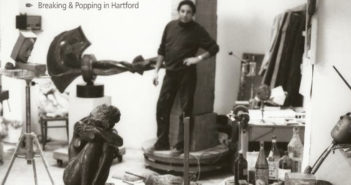
The Winter 2018-2019 issue is in the mail to members and will be on newsstands…
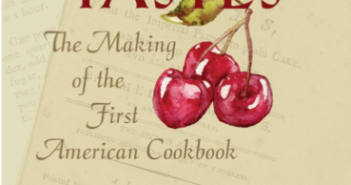
Listen to Grating the Nutmeg Episode 61! State historian Walt Woodward interviews Keith Stavely and…

By Kevin Flood (c) Connecticut Explored Inc. Summer 2018 Subscribe/Buy the Issue! Kids have been…
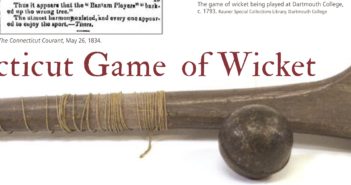
By Alexander Dubois (c) Connecticut Explored Inc. Summer 2018 Subscribe/Buy the Issue! By the end…
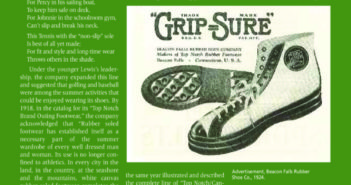
By David Corrigan (c) Connecticut Explored Inc. Summer 2018 Subscribe/Buy the Issue! After Connecticut native…
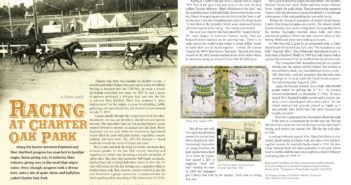
By Gene Leach (c) Connecticut Explored Inc. Summer 2018 Subscribe/Buy the Issue! Along the border…

We count on our member-subscribers to keep us publishing. Please join this community of people who…
By Muriel Fleischmann (c) Connecticut Explored Inc. Spring 2014 Subscribe/Buy the Issue! Violinist Peter Winograd…
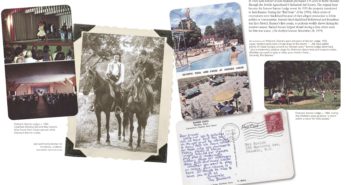
By Mary M. Donohue All images courtesy of Mary M. Donohue unless otherwise noted. (c)…
State historian Walter Woodward’s column is expanded to a full story in the Fall 2018…
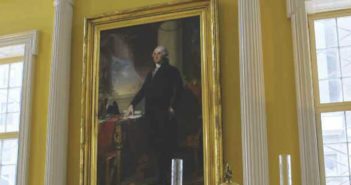
The special Fall 2018 issue is in the mail to member-subscribers and will be on…

Get free shipping on single back issues (Regularly $8 with s/h & sales tax, now…
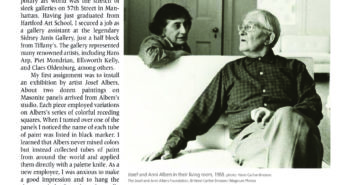
Connecticut Explored Live! Please join us “Josef & Anni Albers in Connecticut” by Robert Gregson…
By Maura Hallisey (c) Connecticut Explored Summer 2017 Subscribe/Buy the Issue! Harriet Beecher Stowe and…

By Mary M. Donohue (c) Connecticut Explored Inc. Spring 2018 SUBSCRIBE/BUY THE ISSUE! Façadectomy: The…
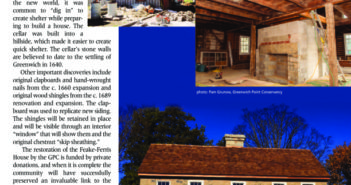
By Christopher P. Franco (c) Connecticut Explored Inc. Spring 2018 SUBSCRIBE/BUY THE ISSUE! In July…

By Frank Hagaman (c) Connecticut Explored Inc. Spring 2018 SUBSCRIBE/BUY THE ISSUE! How are historic…
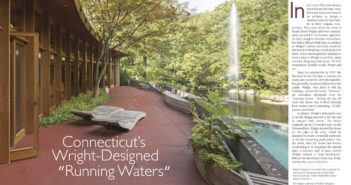
By Robert Gregson (c) Connecticut Explored Inc. Spring 2018 SUBSCRIBE/BUY THE ISSUE! In the early…

By Rachel Shoemaker (c) Connecticut Explored Inc. Spring 2018 SUBSCRIBE/BUY THE ISSUE! Between 1906 and…

By Brenda Milkofsky (c) Connecticut Explored Inc. Summer 2018 During the War of 1812 Captain…

By Elizabeth J. Normen (c) Connecticut Explored, Summer 2018 Subscribe/Buy the Issue! Sports have a…
The Summer 2018 issue will be on newsstands by June 1 and is in the…
By Mary Dunne (c) Connecticut Explored Inc. Winter 2009-2010 Subscribe/Buy the Issue! In March 1966,…
Production Requirements: Print Magazine Production Requirements: Digital/Web
Top 168 x 137 pixels Right 325 x 85 pixels Lower right 325 x 200…
Production Requirements PRINT DIGITAL/WEB PODCAST & E-BLASTS QUESTION? Contact Arianna at admanager@ctexplored.org
Production Requirements: Digital Production Requirements: Podcast & E-Blasts
By Elizabeth J. Normen (c) Connecticut Explored Inc. Spring 2018 SUBSCRIBE/BUY THE ISSUE I’m a…
By Linda Hocking (c) Connecticut Explored Inc. Winter 2017-2018 Lilac Hedges was a greeting-card company…
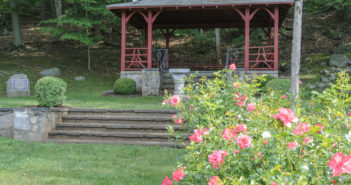
SUBSCRIBE/BUY THE ISSUEBy Lea Anne Moran (c) Connecticut Explored Inc. Winter 2017-2018 Subscribe/Buy the Issue!…
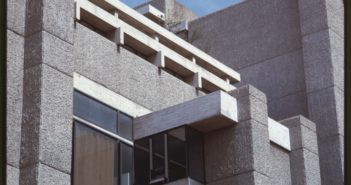
By Christopher Wigren (c) Connecticut Explored Winter 2017-2018 Subscribe/Buy the Issue! What sane architect would…
By Elizabeth J. Normen (c) Connecticut Explored Winter 2017-2018 SUBSCRIBE/BUY THE ISSUE In 2005 a…
By Henry S. Cohn (c) Connecticut Explored Winter 2017-2018 SUBSCRIBE/BUY…
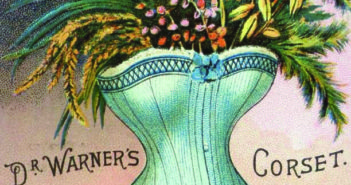
By Elizabeth Pratt Fox (c) Connecticut Explored Inc. Winter 2017-2018 SUBSCRIBE/BUY THE ISSUE! The production…
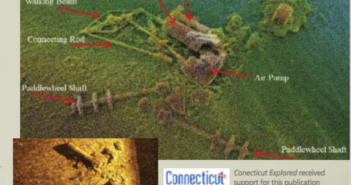
By Nicholas DeLong (c) Connecticut Explored Inc. Spring 2018 Subscribe/Buy the Issue! On the night…

Two for One Membership Each CT Explored membership gets a 1-year CT Trust for Historic…

The Spring 2018 issue is in the mail to member-subscribers and will be on newsstands…
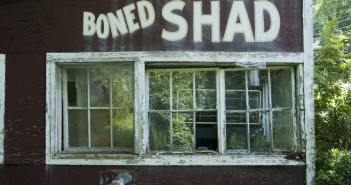
By Brenda Milkofsky (c) Connecticut Explored Inc. Spring 2006 Subscribe/Buy the Issue It’s spring and…
By Ethan Manis (c) Connecticut Explored Inc. Fall 2016 Subscribe/Buy the Issue In 1949 19-year-old…
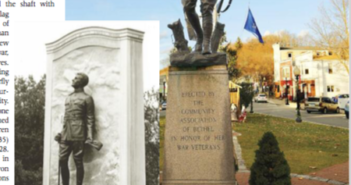
By Mary M. Donohue (c) Connecticut Explored Inc. Spring 2017 Subscribe/Buy the Issue When most…
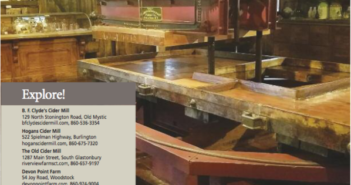
By Christopher Pagliuco (c) Connecticut Explored Inc. Summer 2017 Subscribe/Buy the Issue As the thick…
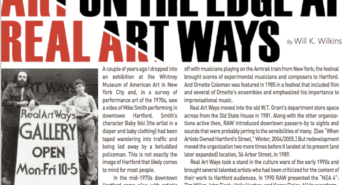
SUBSCRIBE/BUY THE ISSUE By Will K. Wilkins (c) Connecticut Explored Inc. Fall 2017 A…
Ahead of our Fall 2018 special issue commemorating the 200th anniversary of the state’s first…
By Walter W. Woodward (c) Connecticut Explored Inc. Winter 2017-2018 Subscribe/Buy the Issue! In the…
by Elizabeth Normen (c) Connecticut Explored Inc. Winter 2017-2018 Happy Valentine’s Day! What better theme…
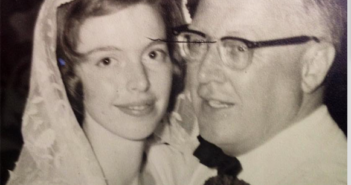
By Christina Keyser Vida (c) Connecticut Explored Inc. Winter 2017-2018 Subscribe/Buy the Issue! Here we…
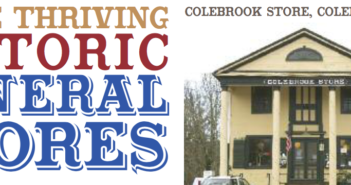
By Johnna Kaplan (c) Connecticut Explored Inc. Summer 2017 Subscribe/Buy the Issue! In 19th-century New…

by Sarajane Cedrone (c) Connecticut Explored Inc. Summer 2017 SUBSCRIBE/Buy the Issue Perhaps not everyone…

By Colin M. Caplan (c) Connecticut Explored Inc. Summer 2017 SUBSCRIBE/Buy the Issue Pizza is…
By Steve Thornton (c) Connecticut Explored Inc. Summer 2017 SUBSCRIBE/Buy the Issue! At the start…
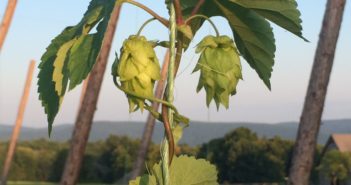
By Dawn C. Adiletta (c) Connecticut Explored Inc. Summer 2017 SUBSCRIBE/Buy the Issue! “Monday I…
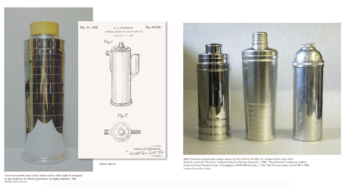
WTNH’s Ann Nyberg recently interviewed Betsy Fox about Connecticut-made cocktail shakers, the subject of Betsy’s…
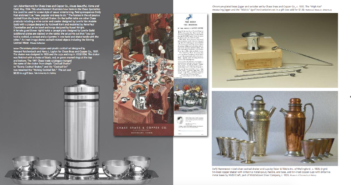
By Elizabeth Pratt Fox (c) Connecticut Explored Inc. Summer 2017 Subscribe/Buy the Issue! From sipping…
by Elizabeth J. Normen, Fall 2017 With this issue, Connecticut Explored celebrates its 15th anniversary!…

Connecticut Explored 15th Anniversary Celebration October 19, 2017 6 – 10 p.m. Real Art Ways…
History Day 2018 Conflict & Compromise in History Page down for loads of ideas for…
By Arthur K. Pope (c) Connecticut Explored Inc. Summer 2010 Surrounded by suburban sprawl and…
By David Drury (c) Connecticut Explored Inc., Spring 2017 SUBSCRIBE/BUY…
By Robert C. Herron (c) Connecticut Explored, Inc. Spring 2017 SUBSCRIBE/BUY THE ISSUE! When the…
By Sarajane Cedrone (c) Connecticut Explored Inc. Spring 2017 SUBSCRIBE/BUY THE ISSUE In 1917 Corporal…
By Thomas Burger (c) Connecticut Explored Inc. Spring 2017 SUBSCRIBE/BUY THE ISSUE Benjamin Delahauf Foulois…
By David Corrigan (c) Connecticut Explored Inc. Spring 2017 SUBSCRIBE/BUY THE ISSUE Between June 27…
By Laura A. Macaluso (c) Connecticut Explored Inc. Spring 2017 SUBSCRIBE/BUY THE ISSUE After a…
By Elizabeth J. Normen (c) Connecticut Explored Inc. Summer 2017 The theme of this issue—food…
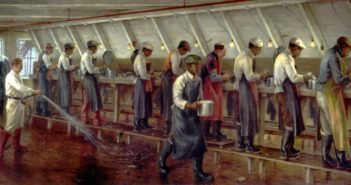
By Rachel Thomas-Shapiro (c) Connecticut Explored Inc. Summer 2017 SUBSCRIBE/BUY THE ISSUE Mystic, Blue Point,…
By David Corrigan (c) Connecticut Explored Fall 2012 Subscribe or Buy the Issue In 1808,…
By Bob Gregson. Photos by Wayne Fleming except where noted. (c) Connecticut Explored, Winter 2004/2005 There…
The summer 2017 issue is in the mail to subscribers and will be on newsstands…

Connecticut Explored is media sponsor for this event. Join author Martha Hall Kelly & special…
By Gary E. Wait SPRING 2012 Touring New England in the late winter of 1860…
By Jane F. Cullinane SPRING 2012 In the 1920s, when aviation was still in its…
See the sample “My Town” below and then answer each of the following questions in…
By Elizabeth J. Normen, Publisher (c) Connecticut Explored Inc. Spring 2017 This issue is produced…
By Walter W. Woodward (c) Connecticut Explored, Spring 2017 SUBSCRIBE! On June 4, 1921, a…
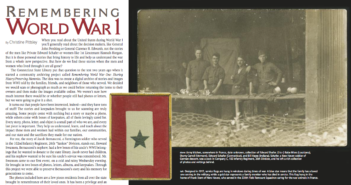
By Christine Pittsley (c) Connecticut Explored, Spring 2017 When you read about the United States…

by John Simone (c) Connecticut Explored Inc. FALL 2010 Subscribe/Buy the Issue! A few years…
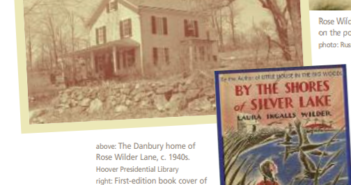
by Christine Woodside (c) Connecticut Explored FALL 2010 Subscribe/Buy the Issue! Over the past several…
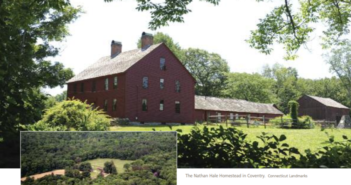
(c) Connecticut Explored Inc. SUMMER 2010 Subscribe/Buy the Issue! Three historic sites owned by Connecticut…
by Bob Wyss SUMMER 2010 Spreading its leafy limbs before the former Mansfield Town Hall…
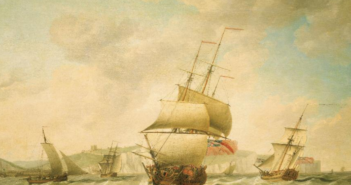
by Thomas M. Truxes (c) Connecticut Explored Inc. SPRING 2010 Subscribe/Buy the Issue! The quarter…

By Kjell Tollefsen, introduction by Jordyn A. Sims (c) Connecticut Explored Inc. SPRING 2010 Subscribe/Buy…
by Jeanine Basinger WINTER 2009/10 When I was growing up on the midwestern prairie, I…
by Mary Dunne WINTER 2009/10 It was love at first sight: A round table bolted…

by Leah S. Glaser (c) Connecticut Explored WINTER 2016/17 Subscribe/Buy the Issue! In 1872 Congress…
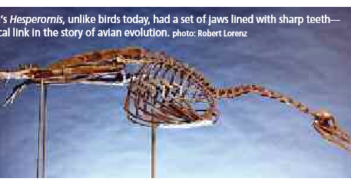
by Richard A. Kissel (c) Connecticut Explored Inc. WINTER 2016/17 Subscribe/Buy the Issue! As its…
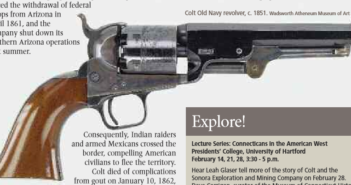
by Pamela Haag (c) Connecticut Explored Inc. WINTER 2016/2017 Subscribe/Buy the Issue! So far as…
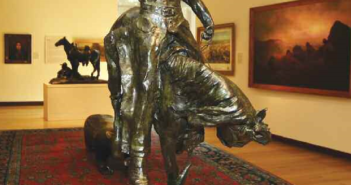
By Mary M. Donohue (c) Connecticut Explored Inc. WINTER 2016/2017 Subscribe/Buy the Issue! How did…
By Walter W. Woodward (c) Connecticut Explored Inc. WINTER 16/17 Subscribe/Buy the Issue! Many people…
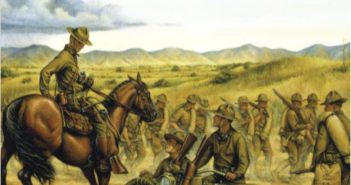
The spring 2017 issue is on its way to members and on newsstands. The issue…
by Ruth W. Duncan FALL 2016 My maternal grandfather was Isaac Ferris (1875-1959) of Riverside,…
by Johnna Kaplan FALL 2016 In 2015, when Connecticut abolished the death penalty—embedded in its…
By Matthew Karwowski FALL 2016 What was the genesis of the Connecticut State Police? In…
Fall 2016 Subscribe! Order the issue online
by Anne Guernsey (c) Connecticut Explored Inc. FALL 2011 Subscribe/Buy the Issue! Interpreting contemporary events…

by Mary M. Donohue (c) Connecticut Explored Inc. SPRING 2013 Subscribe/Buy the Issue! Mill towns…
by Wesley Horton (c) Connecticut Explored Inc. FALL 2012 Subscribe/Buy the Issue! Connecticut has been governed for…
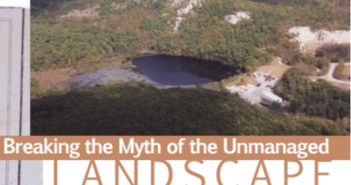
By Tobias Glaza and Paul Grant-Costa (c) Connecticut Explored Inc. Spring 2012 Subscribe/Buy the Issue!…
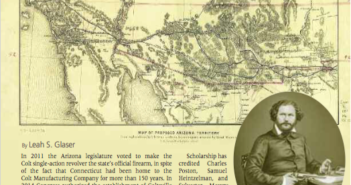
By Leah S. Glaser Winter 2016-2017 (c) Connecticut Explored SUBSCRIBE! This article is adapted form…
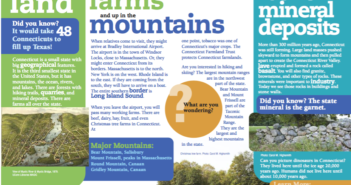
We’re as shocked as anyone that some students in Connecticut are reading a whitewashed history…
By Ethan Manis (c) Connecticut Explored Inc. Fall 2016 SUBSCRIBE! In 1949, 19-year-old William Daniels…
By Leah S. Glaser (c) Connecticut Explored, Inc. Winter 2016-2017 Subscribe/Buy the Issue! Connecticut Explored…
By Walter W. Woodward (c) Connecticut Explored, Inc. Winter 2016-2017 Many people know that Connecticans…

Our Winter 2016-2017 issue is in the mail to subscribers and will be on newsstands…
By Diantha Dow Schull SUMMER 2009 Connecticut’s cultural and educational institutions are positioned to help…
by Rand Richards Cooper SUMMER 2009 My mother died two years ago, at age 79.…
By Susan P. Schoelwer SUMMER 2009 One of the most intriguing early American depictions of…
By Cynthia Cormier SUMMER 2009 Subscribe/Buy the Issue! We all descend from hunter-gatherers, so it’s…
By Katherine Ott SUMMER 2009 Old age, the state formerly known as senility, dotage,…
By Brenda J. Miller SUMMER 2009 …Age, a dynamic public art collaboration between Greater Hartford…
By Eugene Leach SUMMER 2009 “The American dream.” The phrase is everywhere today. Open a…
By Elizabeth J. Normen (c) Connecticut Explored Inc. Fall 2016 Our Puritan forefathers dealt with…
By Walter W. Woodward (c) Connecticut Explored. Fall 2016 On September 2, 1772, thousands gathered…
By Gina McCarthy SUMMER 2008 The State of Connecticut is taking action to reawaken young…
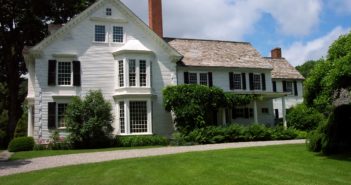
By Kristin P. Havill (c) Connecticut Explored Inc. SUMMER 2008 Subscribe/Buy the Issue! Why do…
By Janice Mathews (c) Connecticut Explored, SUMMER 2008 Subscribe/Buy the Issue! Most hiking trails in…
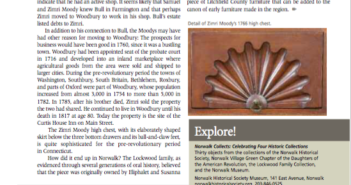
by Elizabeth Pratt Fox and Lynn Friedman (c) Connecticut Explored Inc. SUMMER 2016 Subscribe/Buy the…

By Jennifer LaRue (c) Connecticut Explored Inc. SUMMER 2016 Subscribe/Buy the Issue! How did PEZ,…
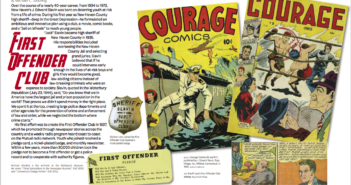
By Michael C. Dooling (c) Connecticut Explored Inc. Fall 2016 Over the course of a…
Give a gift subscription through December 31, 2018 and the recipient will receive 6 issues…
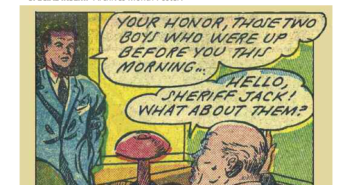
People are fascinated by true crime stories! The Fall 2016 issue takes readers on a…
By Jacqueline Grant (c) Connecticut Explored Inc. SUMMER 2006 Subscribe/Buy the Issue! Though Lake Quassapaug…
By Jacqueline Grant (c) Connecticut Explored Inc. SUMMER 2006 Subscribe/Buy the Issue! When city Parks…
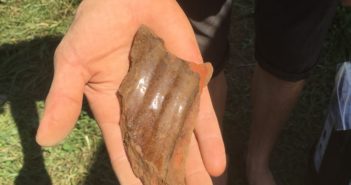
Take an “earwitness” journey with Walt Woodward on the latest Grating the Nutmeg podcast (episode 13) to…
By Alexis Rankin Popik SUMMER 2005 Hartford has long been a city of “firsts.” The…
By Elizabeth J. Normen (c) Connecticut Explored Inc. SUMMER 2005 Subscribe/Buy the Issue! The following…
Mary Townsend Seymour Takes a Stand In early 20th century Hartford, Mary Townsend Seymour helped…

By Gregg Mangan (c) Connecticut Explored, Inc. Summer 2009 Subscribe/Buy the Issue! In 21st-century America,…
By Cynthia Cormier (c) Connecticut Explored Inc. Summer 2013 In 1913 the Connecticut State Park…
By Marty Podskoch (c) Connecticut Explored Inc. Summer 2010 Subscribe to Receive Every Issue! Have you…
By Cynthia Cormier (c) Connecticut Explored Inc. Summer 2013 Subscribe to receive every…

By Jerry Roberts (c) Connecticut Explored Inc. Summer 2016 SUBSCRIBE/Buy the Issue! Connecticut is well…
by Marshall S. Berdan WINTER 2007/08 Weston is not a place where earth-shattering events often…
Re: Collections: Mastodon Frenzy (c) Connecticut Explored, Winter 2007/2008 By Elizabeth Collins By the 18th…
By Mary Witkowski (c) Connecticut Explored Inc. FALL 2012 Subscribe/Buy the Issue! (All photos courtesy…

By Elizabeth J. Normen As our Fall issue went to press, we receive word that, due…
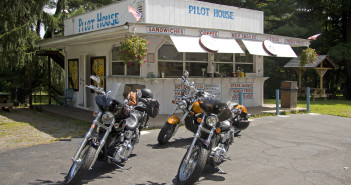
By Mary M. Donohue SPRING 2012 LISTEN TO OUR PODCAST: Shack Attack! Summer Eats in…
by Lisa Guernsey (c) CONNECTICUT EXPLORED Inc. FALL 2006 Subscribe/Buy the Issue The insurance companies…
SPRING 2006 Connecticut Explored asked readers to share their Connecticut-based food memories for this issue. We…
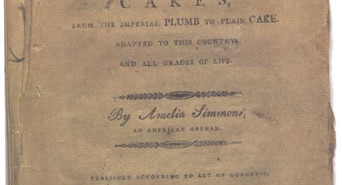
by Jennifer LaRue SPRING 2006 Subscribe/Buy the Issue! Two centuries before Jacques Pepin became Connecticut’s most…

Connecticut Explored stands in solidarity with the entire heritage and humanities community and in shock…

Conversations at Noon June 7, 2016, noon – 1 p.m. Connecticut’s Old State House, 800…

By William Hosley (c) Connecticut Explored, Summer 2016 For me, small is BIG when it…

The Summer 2016 issue has been mailed to member-subscribers and is on newsstands now! This issue explores BIG…
By Chris Pagliuco © Connecticut Explored Winter 2007/08 Connecticut’s 17th-century witch trials have long been overshadowed by…
By Mary K. Witkowski SPRING 2009 In 1817, Captain Stephen Moore was injured while unloading…
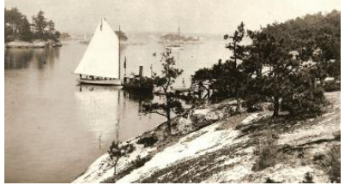
By Alana Joli Abbott (c) Connecticut Explored Inc. SPRING 2009 Subscribe/Buy the Issue! On a…
By Julie Frey (c) Connecticut Explored Inc. WINTER 2008 Subscribe/Buy the Issue! The Litchfield…

by Briann Greenfield with McKinley Frey, David Kluczwski, Cheryl LeBeau, William McGannon, Keith Miller, Alan…
Lost your coupons to refer new subscribers at the special discounted rate and two bonus…
By Christopher A. Griffin and Henry S. Cohn (c) Connecticut Explored, Spring 2016 Frank B.…
African American Connecticut Explored Dimension 2: Applying Disciplinary Concepts and Tools With Selected Grade-Appropriate Essays…
by Dave J. Corrigan WINTER 2007/08 There is perhaps no greater Connecticut legend than that…
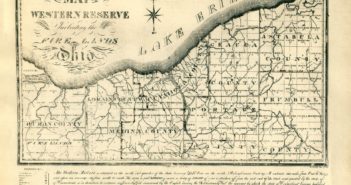
by Lary Bloom (c) Connecticut Explored Inc. SUMMER 2007 Subscribe/Buy the Issue! Among the tender memories…
by Clarissa J. Ceglio, Janice Matthews, & Elizabeth Normen (c) Connecticut Explored Inc. SUMMER 2007…

by William Hosley WINTER 2005/06 Subscribe/Buy the Issue! My passion for Coltsville, the 19th-century Hartford…
by Kevin Murphy (c) Connecticut Explored Inc. WINTER 2005/06 Subscribe/Buy the Issue! From 1927 until…
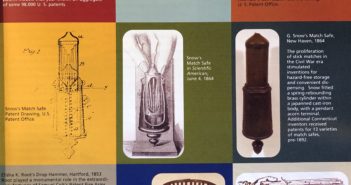
by Dean Nelson (c) Connecticut Explored Inc. SPRING 2005 Subscribe/Buy the Issue! President George Washington…
by Polly Pasternack (c) Connecticut Explored Inc. WINTER 2004/2005 Subscribe/Buy the Issue! Alfred Atmore Pope,…
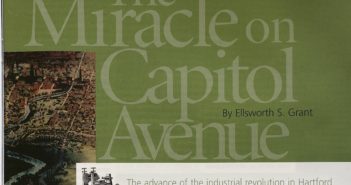
By Ellsworth Grant (c) Connecticut Explored Inc. May/Jun/Jul 2004 Subscribe/Buy the Issue! The advance of…
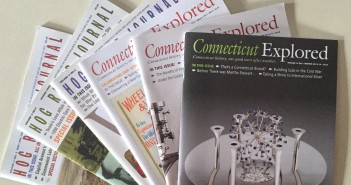
We’ve got Two Special Offers just in time for Father’s Day Gift Giving NEW! Our…
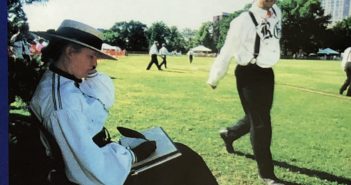
by David Arcidiacono (c) Connecticut Explored Inc. SPRING 2003 Subscribe/Buy the Issue! Robert Ferguson (1845-1894)…
From The Three Great Days by Francis Goodwin II (c) Connecticut Explored Inc. WINTER 2003…
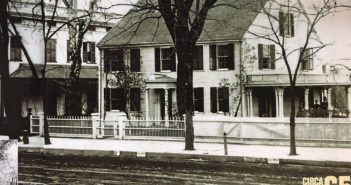
By David F. Ransom WINTER 2003 Subscribe/Buy the Issue! The extraordinary value of the…
Our Collections feature a selection of 5 or 6 back issues on a common theme and are…
By Lawrence J. DeNardis (c) Connecticut Explored Inc. Summer 2014 Beginning with the Fundamental Orders of…
By Gene Leach (c) Connecticut Explored Inc. Summer 2014 In 1636 fledgling English settlements hugged…
By Dawn Adiletta (c) Connecticut Explored. Fall 2002. Image courtesy of the Harriet Beecher Stowe…
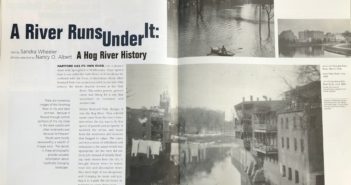
By Sandra Wheelers photos selected by Nancy O. Alberts (c) Connecticut Explored Inc. FALL 2002…
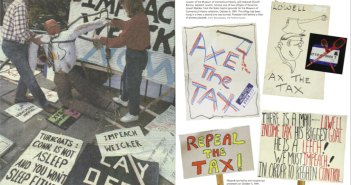
By Dave Corrigan (c) Connecticut Explored, Spring 2016 SUBSCRIBE! With the signing of the state…
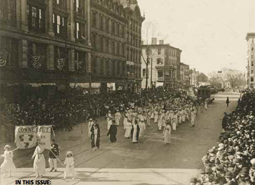
Conversations at Noon May 24, 2016, noon – 1 p.m Connecticut’s Old State House, Hartford…
by Elizabeth Normen (c) Connecticut Explored Inc., Spring 2016 Subscribe/Buy the Issue! In this presidential…
by Walter W. Woodward (c) Connecticut Explored Inc. Spring 2016 It had been a terrible…
Connecticut Explored collaborates with Connecticut’s Old State House on programs relating to most issues. Here…
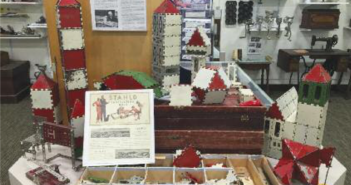
By Sarajane Cedrone (c) Connecticut Explored, Winter 2015-2016 Subscribe/Buy the Issue! Nestled in a corner…
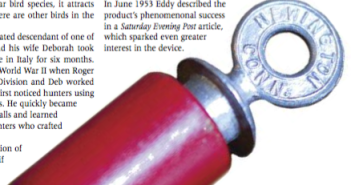
By Richard C. Malley (c) Connecticut Explored Inc. WINTER 2015/16 Listen to Rich demonstrate…

By Barbara Nagy (c) Connecticut Explored Inc., WINTER 2015/16 Subscribe/Buy the Issue! Mike Toner graduated from…

By Elizabeth Normen and David Corrigan (c) CT Explored Inc., WINTER 2015/16 Subscribe/Buy the Issue! In…
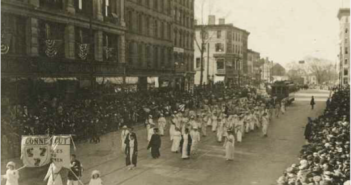
The spring issue is in the mail to members and on newsstands! It’s caucus/primary season…
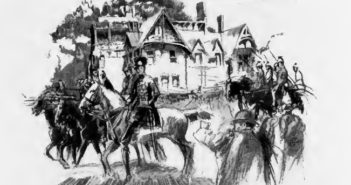
This spring, Americans will commemorate the 100th anniversary of the U.S. entry into World War…
By Frederick W. Hamilton (c) Connecticut Explored Inc. Winter 2005/2006 The year was 1910. My mother…
By Wm. Frank Mitchell (c) Connecticut Explored, Fall 2015 The Knights of Columbus, a national fraternal…
By Jennifer LaRue (c) Connecticut Explored, Fall 2015 In the late 19th century, even as great…
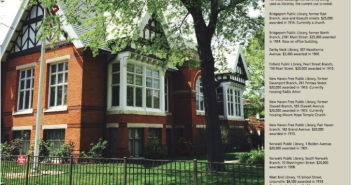
By Mary M. Donohue with Kory Mills (c) Connecticut Explored, Fall 2015 Steel tycoon Andrew Carnegie…
Now available! LISTEN HERE Episode 8: Living History 20 minutes. Release date: May 22, 2016…

In the Winter 2015-2016 issue, we tell the stories of some of Connecticut’s iconic brands—and…
Give the gift of Connecticut Explored this holiday season. Give to a friend or give…
By Anne Dawson (c) Connecticut Explored. Spring 2014 J. Alden Weir, one of America’s most accomplished…
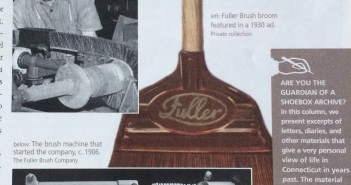
By Vincent Michael Valvo (c) CT Explored, Fall 2007 Subscribe/Buy the Issue! For the better…

By Gregg Pugliese (c) CT Explored, Spring 2010 Subscribe/Buy the Issue! Everyone remembers the famous…
By Walter W. Woodward FALL 2015 In our image-saturated world, nothing is missed more than…
Connecticut’s Old State House and CT Explored collaborate on quarterly programs relating to each issue.…
By Jesse Duthrie (c) Connecticut Explored, Winter 2011/2012 Readers may be surprised to know that the…
By Mark H. Jones WINTER 2011/12 By the mid-20th century, Frederic Collin Walcott was a…
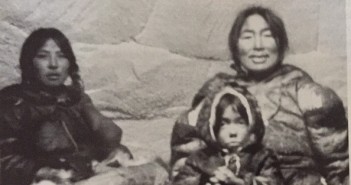
By Fred Calabretta (c) Connecticut Explored Inc. SPRING 2009 Subscribe/Buy the Issue On March 10,…
By Thomas F. Howard WINTER 2007/08 For each of the roughly 30 years between the…
By Kristin Peterson Havill WINTER 2011/12 Letters in the Bellamy-Ferriday House & Garden archives are…

By Briann Greenfield and Dave Corrigan (c) Connecticut Explored Inc. WINTER 2011/12 Subscribe/Buy the Issue!…
Snapshot Below is a snapshot of what you’ll find in the tool kit. You can use…
By Elizabeth J. Normen Summer 2015 Is historic preservation only about saving old buildings from…

In this issue, we’re exploring Connecticans’ history of generosity. Sure, sometimes big money came in…

Give the gift of Connecticut Explored this Mother’s Day and your mom—or anyone you’re honoring this Mother’s…

New Haven’s Monuments Man By Laura A. Macaluso In wartime, when the thoughts of…

We’re celebrating our 50th issue with stories about some of Connecticut’s A-list names in arts and…

The Political Fires that Fueled The Courant By Joseph F. Nunes The Hartford Courant’s 250th…

With the Winter 2014/2015 issue, we launch our coverage of the the 100th anniversary of…
By William Hosley (c) Connecticut Explored. Fall 2015 Subscribe/Buy the Issue! One of the…
Summer 2014: History Under Our Feet Colin McEnroe interviews authors of two stories and the…
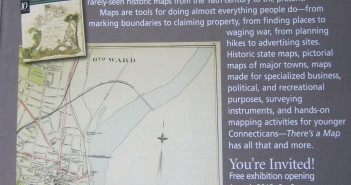
Connecticut Explored’s special exhibition of large reproductions of historic maps, organized to celebrate its 10th…

Book Signings and Readings Books will be available for purchase. No events are currently planned.…
By Walter W. Woodward, Spring 2014 Volume 12 Number 2 Recent history has not gone…

African American Connecticut Explored, our first book, is available for purchase. CLICK HERE for details…
By David Corrigan (c) Connecticut Explored Inc. Winter 2013/2014 Subscribe/Buy the Issue! READ AS A…
By Walter W. Woodward, Winter 2013 Volume 12 Number 4 This is a story about…
Please make a gift to the Friends of Connecticut Explored this fall. Contributions from Friends are one of our…

(c) Connecticut Explored, Fall 2013 SUBSCRIBE/BUY THE ISSUE By Neil Hogan The Irish were the…

Our Fall 2013 issue explores our “new” Connecticans through stories about our state’s immigrant and…
From the Summer 2013 issue: Where three presidents celebrated our natal day. By Laurie Masciandaro…
Our Summer 2013 issue’s cover story is all about Hartford’s short-lived amusement park Luna Park.…
Connecticut Explored gets a great endorsement from CCSU Professor and CT Explored editorial board chair…
Student registrations are UP for this year’s History Day in Connecticut contests. Students across the…
By Walter Woodward, Spring 2013 Volume 11 Number 2 For the better part of a century,…
Winter 2012/2013 Issue By Katherine Kane CLICK HERE TO READ A PDF OF THE ARTICLE…

By Elizabeth J. Normen (c) Connecticut Explored Inc. Winter 2012-2013 Subscribe/Buy the Issue! True or…
Our Spring 2012 issue was all about mapmaking. CLICK HERE to read about why our…
The Summer 2012 issue explores the War of 1812– learn about the fascinating and complicated…
By Walter W. Woodward, Spring 2012 Volume 10 Number 2 The key document mapping out…
By Elizabeth J. Normen (c) Connecticut Explored Inc. Spring 2012 Subscribe/Buy the Issue! The spring…
*** In the new Spring issue 2012, we’re exploring “cartographically” what (and who) put Connecticut…
We’re celebrating our 10th anniversary all year with great issues and special events. Click here…
As part of its commemoration of the Civil War Sesquicentennial and coinciding with events marking…
We’re busting out this issue. We usually explore Connecticut’s history within our state borders but…
The summer issue commemorates the bicentennial of the War of 1812—the conflict that some called…
Visit the Hartford History Center at Hartford Public Library for “Abraham LIncoln: Self-Made in America,”…
10 years ago this September, the nation was forever changed by the tragedy of 9/11.…
By Walter W. Woodward (c) Connecticut Explored Inc. Summer 2011 Volume 9 Number 3 Subscribe/Buy the…
200 years ago this June, Harriet Beecher Stowe was born in Litchfield, Connecticut. She would…
Find a listing of events around the state commemorating the 150th anniversary of the Civil War…
Check out our Bookstore tab for a listing of new books on Connecticut history topics.…
Connecticut history is full of surprises—and the stories in our Winter issue are no exception.…
……We’re celebrating the state’s 375th anniversary in the Fall issue—but is Connecticut really 375 years…
By Walter W. Woodward (c) Connecticut Explored Inc. Fall 2010 Vol 8 # 4 Subscribe/Buy…
Our Fall issue was included in the time capsule Governor Rell buried on the grounds of…
By Walter Woodward, State Historian (c) Connecticut Explored Inc. Fall 2010 Subscribe/Buy the Issue! For…
In addition to our new name, we’ve added a new subscription level: Connecticut Explorer. For…
SUMMER ISSUE: Explore the Historic Connecticut Landscape
Our Winter 2009/2010 Built It/Razed It III issue on Modern Architecture received a 2010 Award…
Dr. Matthew Warshauer, associate professor of history at Central Connecticut State University has been appointed…
Welcome to our third issue under our new name: Hog River Journal is now Connecticut…
David Arcidiacono, who wrote about the Hartford Dark Blues baseball team in our Spring 2003…
After publishing for nearly seven years as Hog River Journal, we begin our eighth year…
Connecticut Explored recently received a grant from the Connecticut Humanities Council to support publication in 2009/2010. We…
The New London Maritime Society assumed ownership of the New London Harbor Light recently. Learn more…
The Nation’s Oldest High-School Football Rivalry Featured article in the current issue! Geoff Serra, head…
After publishing for nearly seven years as Hog River Journal, this is our first issue under our new name, Connecticut Explored. The new name better reflects our mission to uncover and discover the Connecticut story–statewide. Every issue, I learn something that enriches my life and deepens my appreciation for the Nutmeg State.
Our latest issue is on the theme “The Sporting Life” and explores Connecticut’s sports history.
Welcome to the Connecticut Explored website. The (former) Hog River Journal has a new look…
By Jennifer LaRue (c) Connecticut Explored Inc. Fall 2008 Subscribe/Buy the Issue! In one of…
By Walter W. Woodward ©Connecticut Explored Winter 2007 Volume 6 Number 1 Subscribe/Buy the Issue! State…

By Elizabeth J. Normen (c) Connecticut Explored, Summer 2003 Subscribe/Buy the Issue! The World’s Fair…
By Elizabeth J. Normen (c) Connecticut Explored Inc. Spring 2003 Subscribe/Buy Back Issues! A common…
By Elizabeth Normen (c) Connecticut Explored Inc. Winter 2003 Subscribe/Buy the Issue! Built It/Razed It…
(c) Connecticut Explored Inc. Fall 2002 NOTE: Connecticut Explored began in fall 2002 as Hog…